How Adaptable Transaction Routes Connect Entry Incentives to Mobile Reel Spins and Table Games
Felix Ludwig · Aug 26, 2026

How Adaptable Transaction Routes Connect Entry Incentives to Mobile Reel Spins and Table Games
Operators have developed adaptable transaction routes that tie entry incentives directly to mobile reel spins and table game sessions, allowing deposits to activate bonuses without delays across portable devices. These systems use e-wallets, instant bank transfers, and digital payment processors to move funds from player accounts to game wallets in seconds, which then unlock welcome packages for slots and live dealer tables. Data from industry reports indicate that such integration has expanded participation in mobile formats, particularly where welcome offers include free spins paired with table game credits.
Payment processors route transactions through multiple channels so that a single deposit can trigger layered rewards, such as matched funds applied to reel games alongside bonus cash for blackjack or roulette. This setup reduces friction between the initial deposit step and active play, enabling users to move from funding to spinning or dealing without separate verification steps in many cases. Observers note that platforms employing these routes report higher retention rates during promotional periods because the incentives appear immediately on the mobile interface.
Mechanics of Flexible Transaction Routes in Mobile Environments
Flexible routes operate through APIs that connect banking partners, digital wallets, and casino management systems, which process deposits and simultaneously credit entry incentives to designated game categories. A player selecting an e-wallet option can complete the transfer, receive confirmation, and see bonus spins or table credits populate the account balance within the same session. Research from academic sources shows that these synchronized processes correlate with increased session lengths on mobile devices when compared to slower traditional bank methods.
August 2026 saw several operators expand support for cryptocurrency-linked routes alongside conventional options, allowing entry incentives to apply across both reel and table sections without currency conversion delays. This expansion followed patterns observed in earlier quarters where instant options boosted mobile engagement metrics. Those who studied transaction logs found that multi-route systems lowered abandonment rates at the deposit stage by routing around temporary banking restrictions in certain regions.
Linking Incentives to Portable Reel and Table Action
Entry incentives connect to portable reel action through automated triggers that allocate free spins or matched deposits once the transaction clears, while the same routes direct parallel credits toward table game sections such as live dealer blackjack. Platforms configure these allocations so that a single flexible payment activates both categories, letting users alternate between slot sessions and table rounds without additional deposits. Figures from regulatory filings in multiple jurisdictions reveal steady growth in combined reel and table mobile play when instant routes support the bonus structure.
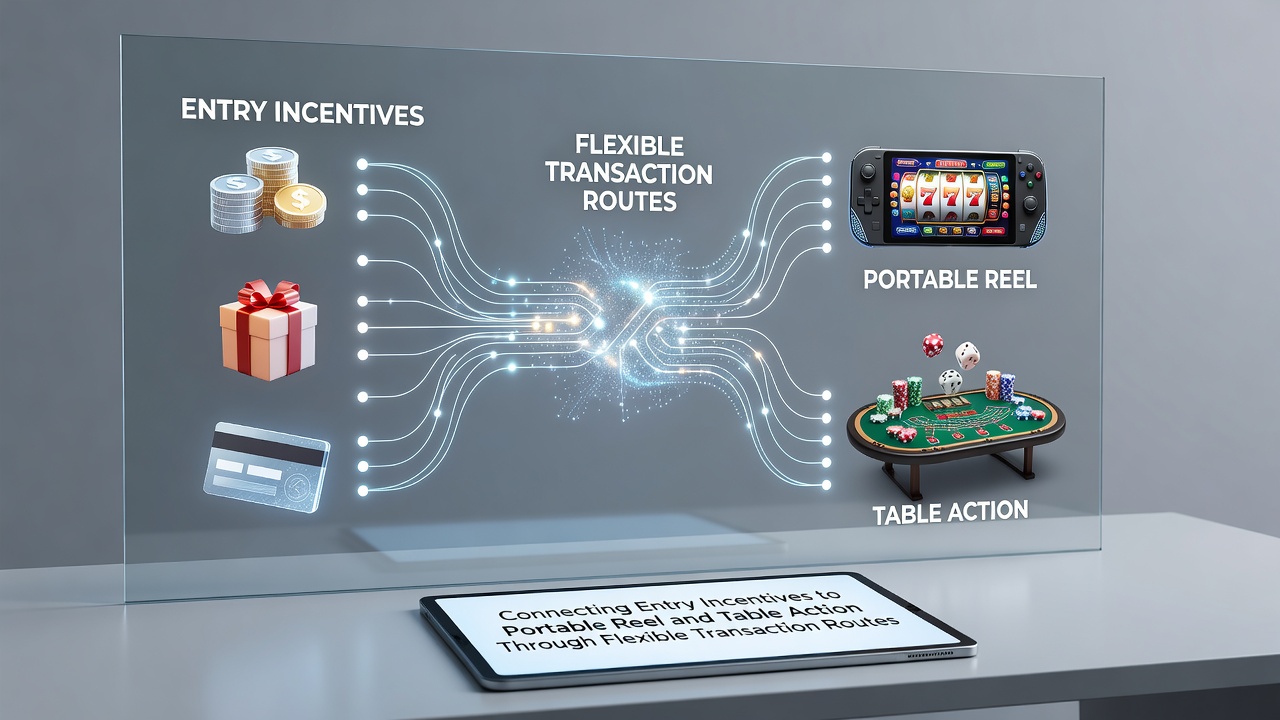
One study from the University of Nevada revealed that players using adaptable routes accessed reel bonuses and table credits in a single flow more frequently than those limited to card-only deposits. The integration appears in mobile apps where the payment screen displays available incentives for both game types before the transaction finalizes. This visibility encourages selection of routes that maximize the entry package across portable formats.
Regional Examples and Data Patterns
Reports from the Nevada Gaming Control Board document rising volumes of mobile transactions that activate entry incentives for slots and table games through varied payment channels. Similar patterns appear in filings from the Australian Communications and Media Authority, where operators using multi-route systems recorded elevated mobile participation rates during promotional windows. These sources highlight how flexible routing supports cross-category play without separate funding steps.
Industry organizations such as the European Gaming and Betting Association have compiled data showing that adaptable transaction options reduce processing times and allow incentives to apply seamlessly to both reel spins and live table sessions on handheld devices. Platforms incorporating these features often list supported routes on their mobile dashboards, guiding users toward the options that deliver the fastest incentive activation.
Conclusion
Adaptable transaction routes continue to serve as the mechanism that connects entry incentives to mobile reel and table game play by processing deposits and crediting rewards in unified flows. Available data from regulatory and research bodies demonstrate consistent associations between these routes and expanded mobile activity across game categories. Operators maintain these systems to support immediate access to promotional elements once funding completes, sustaining the linkage between initial deposits and ongoing portable sessions.