E-Wallet Integration Shapes Progressive Jackpot Growth in Mobile Slot Platforms
Leon Schulz · Oct 11, 2026
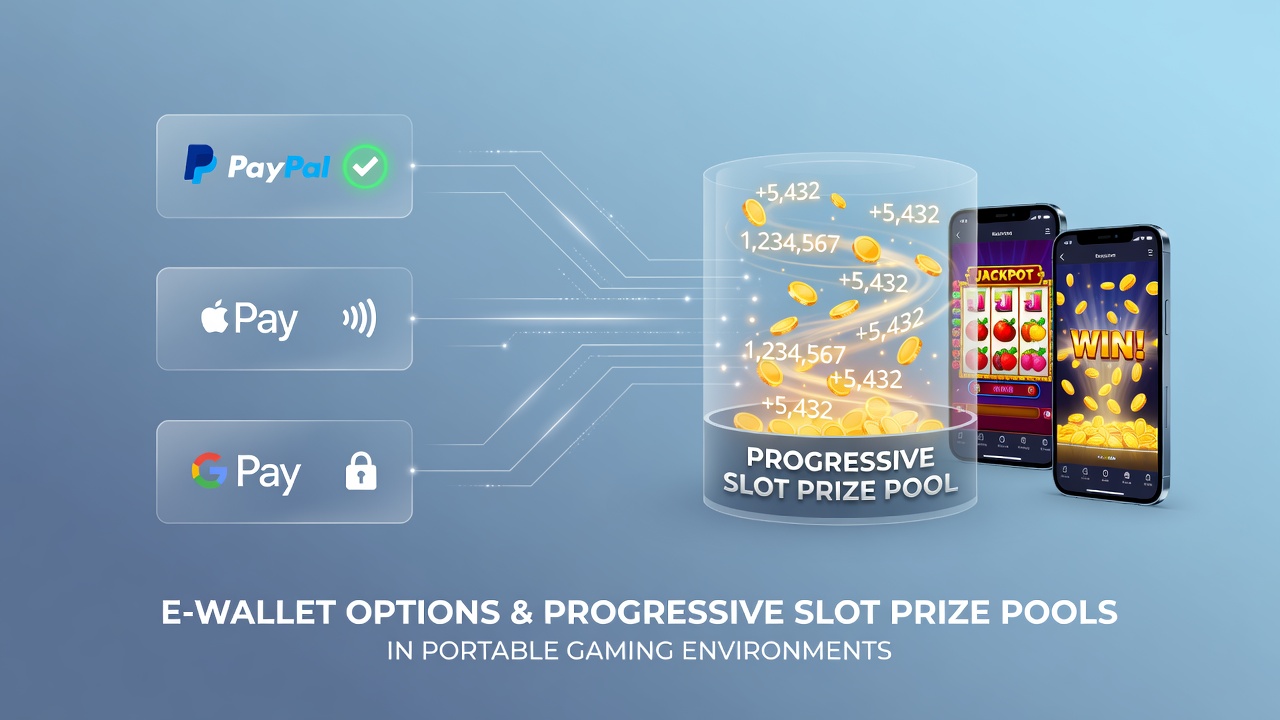
E-Wallet Integration Shapes Progressive Jackpot Growth in Mobile Slot Platforms
Portable gaming environments rely on seamless payment systems that allow players to fund accounts quickly and return to spinning reels without interruption. E-wallet services such as digital payment apps process deposits in seconds, which in turn feeds into the contribution mechanisms of progressive slot prize pools where a percentage of every wager adds to the accumulating total. Researchers tracking mobile gaming patterns note that faster transaction times correlate with higher session frequency, because players who complete deposits without delays tend to place more bets per hour across connected networks.
Mechanics of Progressive Prize Pools in Smartphone Slots
Progressive slots operate on linked systems where each participating wager increments a shared jackpot meter, and the rate of growth depends directly on bet volume across all connected devices. In mobile settings the same principle applies, yet the accessibility of these games through apps means that pool contributions accelerate when transaction friction decreases. Data from industry reports indicate that mobile progressive titles often see contribution spikes during peak hours, particularly when players use instant funding methods that eliminate waiting periods associated with traditional banking transfers. Observers note that the structure of these pools rewards consistent participation, since even small bets from thousands of portable sessions compound over time into substantial prize amounts displayed in real time.
Transaction Speed and Player Engagement Patterns
E-wallet options reduce the steps between deciding to play and actually contributing to a prize pool, which changes how frequently individual accounts feed into the system. When deposits clear immediately, players maintain momentum and continue wagering without switching to other activities, a pattern documented in usage analytics from various platforms. Studies compiled by the American Gaming Association show that regions with widespread e-wallet adoption record elevated average bet counts per active user in mobile slot environments compared with areas where slower payment rails dominate. This difference matters because progressive pools rely on volume rather than individual stake size, meaning sustained small contributions from mobile users can outpace occasional large deposits from desktop sessions.
Regional Regulatory Shifts and Payment Method Availability
Policy changes scheduled for October 2026 across multiple jurisdictions will influence which e-wallet providers operators may integrate into mobile offerings, affecting how quickly funds reach progressive systems. Licensing bodies in North America and parts of Europe continue to evaluate transaction monitoring requirements that could standardize verification processes for digital wallets. Those adjustments may standardize deposit limits while preserving the speed advantage that distinguishes e-wallets from card or bank transfers. Industry groups such as the European Gaming and Betting Association have published position papers examining how these rules might interact with cross-border mobile play, where users access the same progressive networks from different regulatory zones.

Contribution Rates and Pool Visibility in App Environments
Most mobile progressive slots display the current pool total prominently, and this visibility encourages repeat deposits when players notice steady growth between sessions. E-wallet users often check balances and fund accounts in a single workflow, allowing them to re-enter games while the meter continues climbing from collective activity. Platform operators report that titles featuring prominent jackpot displays paired with one-tap funding options sustain longer average play durations, which directly multiplies the number of contributions reaching the pool. The relationship remains mechanical rather than causal in any single instance, yet aggregated data across thousands of portable devices reveals measurable differences in pool velocity based on the prevalence of instant payment methods.
Data Trends Across Mobile Networks
Analytics firms tracking global mobile gaming traffic have recorded increased deposit frequency during commute windows and evening hours when e-wallet apps sit ready on the same device as the casino software. These micro-transactions, though modest individually, accumulate across linked progressive systems and produce noticeable upward movement in displayed totals. Canadian provincial gaming authorities have released summary statistics showing that provinces permitting a broader range of approved digital wallets experienced steadier month-over-month growth in mobile slot handle compared with regions maintaining stricter wallet restrictions. Such patterns suggest that payment option diversity influences overall contribution volume without altering the underlying percentage allocation that feeds each pool.
Conclusion
The connection between e-wallet functionality and progressive prize pool expansion in portable environments rests on transaction velocity and participation volume. Faster funding reduces downtime between decisions to wager and actual contributions to shared meters, while regulatory frameworks evolving toward October 2026 continue to shape which payment tools remain accessible within licensed mobile ecosystems. Tracking these dynamics requires attention to both technical integration details and aggregated usage metrics across devices and jurisdictions.