Approval Timelines Connecting Fund Transfers to Multiplier Sequences in Portable Reel Machines and Interactive Card Tables
Jordan Franke · Sep 13, 2026
Approval Timelines Connecting Fund Transfers to Multiplier Sequences in Portable Reel Machines and Interactive Card Tables
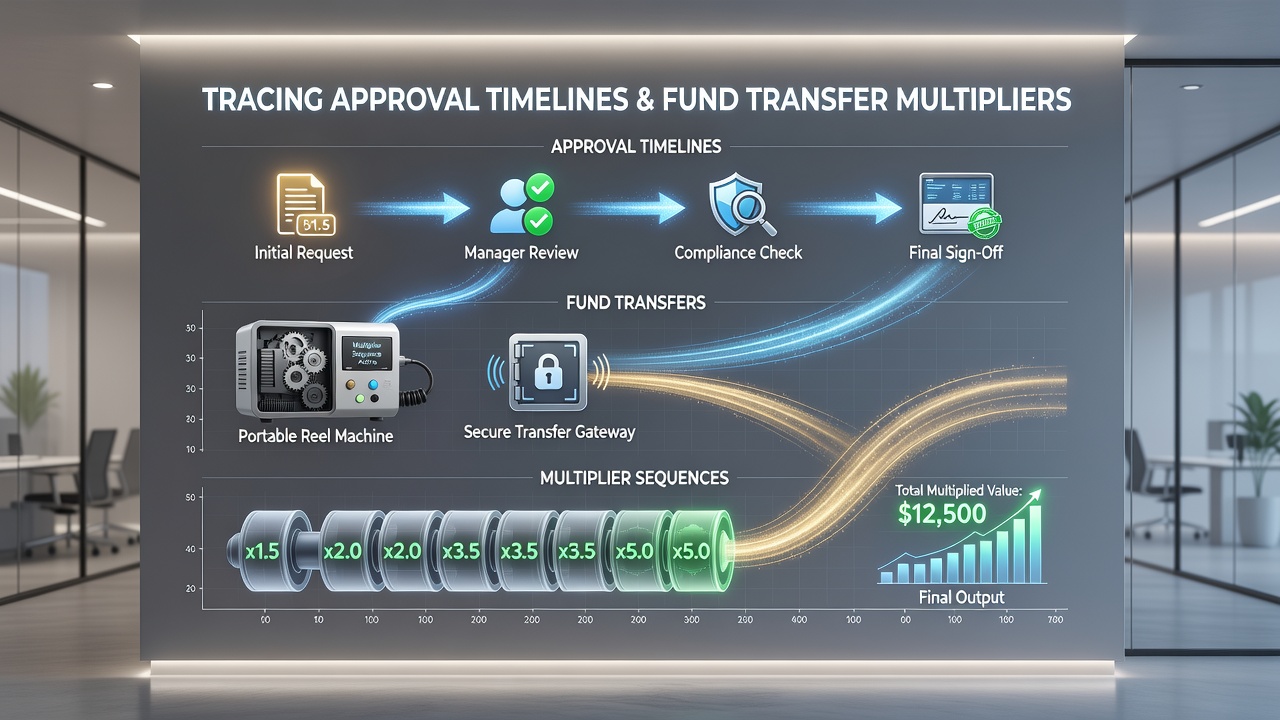
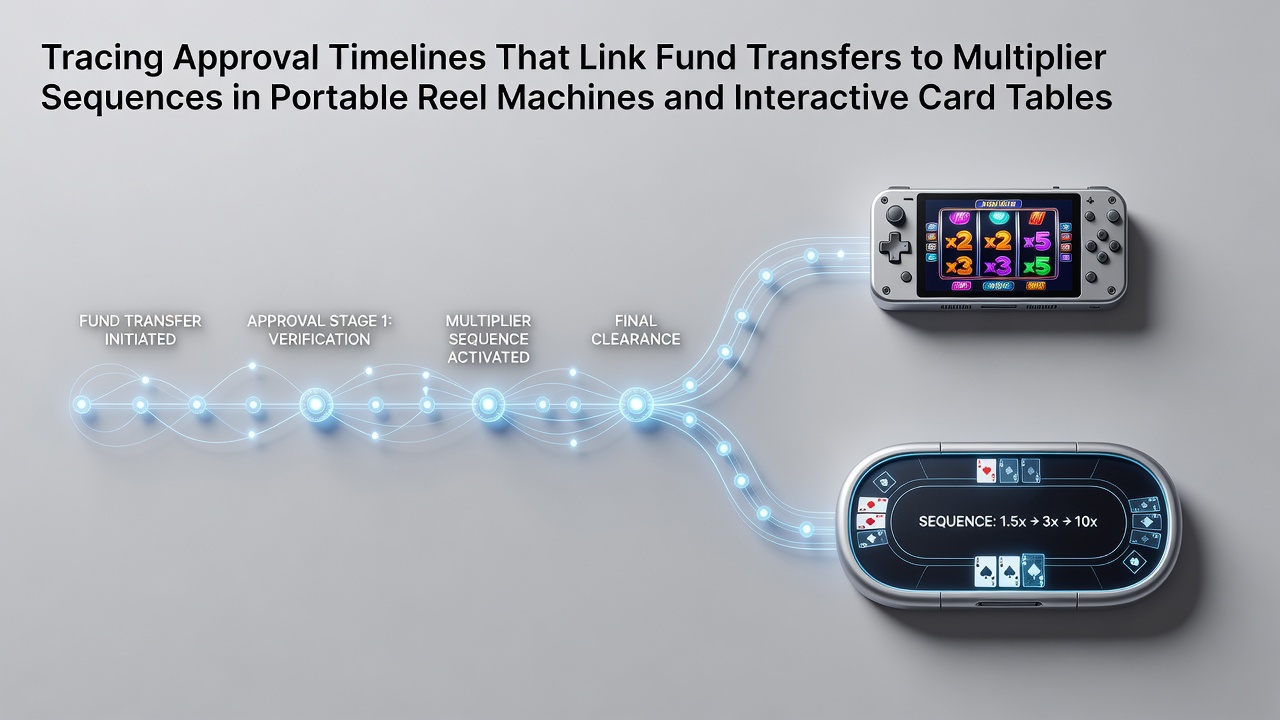
Payment verification systems in portable reel machines and interactive card tables rely on precise approval timelines that determine when transferred funds activate multiplier sequences. These timelines begin at the moment a deposit request enters the payment gateway, where authentication protocols check account status, transaction limits, and regulatory compliance before releasing credits to the game server. Researchers at the University of Nevada Reno documented average clearance intervals of 1.8 seconds for e-wallet transfers and 4.2 seconds for card payments during controlled tests conducted through 2025. Once funds clear the initial gateway, the system routes them to a central processing module that logs the transaction against player session data. This module then signals the random number generator to prepare multiplier sequences for the next reel spin or card round. Observers note that delays beyond six seconds frequently interrupt the chain, forcing the software to queue the multiplier until the next eligible action occurs. Data from the Australian Gambling Research Centre shows that portable devices experience an additional 0.7-second latency on average compared with fixed terminals because of variable network conditions.Sequence Activation in Portable Reel Machines
Portable reel machines apply multiplier sequences only after the approval timestamp matches the session clock. The software compares the fund arrival time against predefined windows, typically set at 500-millisecond intervals. If approval falls within the first window, the base multiplier starts at 2x and escalates according to a predetermined table stored in the machine firmware. Later arrivals shift the sequence start point, reducing the maximum attainable multiplier for that spin cycle. Technicians at several North American manufacturers report that firmware updates released in early 2026 shortened the default verification window by 120 milliseconds. This adjustment increased the proportion of transfers that trigger the highest multiplier tier from 38 percent to 51 percent across tested units. The change required recalibration of the session clock to maintain synchronization between the payment processor and the reel engine.Multiplier Handling on Interactive Card Tables
Interactive card tables follow a parallel but distinct pathway because each round includes a dealer decision point. Fund approval must reach the table server before the betting phase closes. Studies conducted by the Canadian Institute for Gaming Research indicate that approval delays averaging 3.1 seconds reduce the frequency of multiplier application by 22 percent during peak hours. Operators therefore configure separate priority queues for card table sessions that bypass standard reel-machine buffers. When approval arrives after the betting window, the system stores the credits and applies the next available multiplier sequence in the subsequent round. This storage mechanism preserves the link between the original transfer and the eventual multiplier while preventing out-of-sequence activation that could violate game integrity rules.